Opinion: NYC’s New Mayor and the Controversy Over Pro-Israel Decrees — A Case for Careful Fact-Checking
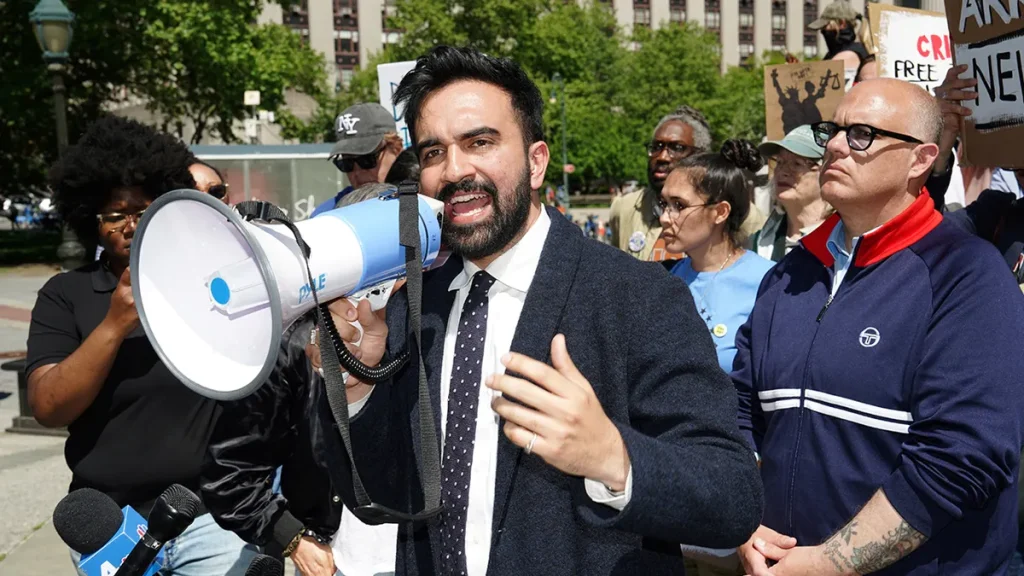
On January 1, 2026, Zohran Mamdani was sworn in as the 112th Mayor of New York City, making history as the city’s youngest mayor, its first Muslim mayor, and its first South Asian mayor. Wikipedia Within hours of taking office, he issued a series of executive actions — most notably revoking several pro-Israel executive orders put in place by his predecessor, Eric Adams. KEYE
This move sparked immediate praise from some pro-Palestinian advocacy groups but also intense criticism from governments, advocacy organizations, and commentators worldwide. Al Jazeera+1
As a fact-checking outlet, it is essential to unpack what actually happened, how it has been represented in public discourse, and what the verified context tells us.
What Happened — The Core Events
Within his first day in office, Mayor Mamdani issued orders that repealed all executive orders signed by former Mayor Eric Adams after a specific cutoff date. Wikipedia Among those revoked were:
- An executive order using the International Holocaust Remembrance Alliance (IHRA) definition of antisemitism, adopted by the city in 2025;
- A directive that prohibited city agencies from supporting boycotts, divestment, and sanctions (BDS) campaigns against Israel. KEYE
Mamdani defended the revocations as part of a broader administrative reset and stressed his administration’s commitment to combating hate — including antisemitism — while prioritizing local issues like affordable housing. Reuters
Where Opinion Meets Fact — Claims and Context
In the days following his first executive actions, several unverified or misleading claims began circulating. Below is a breakdown:
1. Claim: “Mamdani’s actions show he is antisemitic.”
Fact Check: Mixed/Context Required.
- Some critics — including the Israeli Foreign Ministry — characterized the revocation of these orders as harmful, using strongly worded terms like “antisemitic gasoline on an open fire.” The Economic Times
- However, Mamdani retained the city’s Office to Combat Antisemitism and publicly stated his commitment to protect Jewish New Yorkers. Wikipedia
- Importantly, not all Jewish organizations agreed on the necessity of codifying the IHRA definition, and some progressive voices argued it could suppress free speech. KEYE
Verdict: The claim that Mamdani is personally antisemitic cannot be established solely based on the revocations; context and nuance matter.
2. Claim: “Mamdani removed all measures protecting Jewish safety.”
Fact Check: False.
- While he revoked certain specific executive orders, he did not abolish protections outright, and he maintained some measures — including the Office to Combat Antisemitism — while emphasizing broader hate-crime prevention strategies. Wikipedia
Verdict: Misleading — important context is omitted in the original claim.
3. Claim: “This decision will directly endanger Jewish communities.”
Fact Check: Unproven.
- Critics have asserted that rolling back IHRA language could weaken protections, but no credible data currently supports the claim that these administrative changes will immediately increase danger or violence. Evaluation of safety trends requires longer-term analysis.
Verdict: Unsupported — no verified evidence yet.
4. Claim: “His actions are purely ideological and not administrative.”
Fact Check: Context Dependent.
- Mamdani has a public record of progressive advocacy on international issues, particularly regarding Palestinian rights, and his early actions reflect a break from his predecessor’s policies. Wikipedia
- However, city governance often involves administrative resets — especially with new leadership — and distinguishing intent from policy differences requires careful evaluation.
Verdict: Mixed — interpretation varies by perspective.
Why This Matters — The Importance of Fact-Checking Opinion
In polarized political climates, strong statements about public figures can spread quickly — but strong rhetoric without verification can mislead as much as outright falsehoods. Opinion writers, analysts, and social media users alike should consider:
- Contextual accuracy over emotionally charged phrasing;
- Whether claims reflect verified events and credible sources;
- The difference between policy disagreement and evidence of harmful intent.
For example, repeating that foreign governments or organizations call a mayor’s actions “antisemitic” is reporting a viewpoint — but asserting it as a verified fact about the mayor himself without corroborating evidence crosses into opinion. This distinction is at the heart of responsible fact-checking — and at the core of RealCheck’s mission. CSI Library
Looking Ahead
As the Mamdani administration progresses, continued fact-checking will be critical. Key areas to watch include:
- How his policies affect community safety and interfaith relations;
- Whether executive actions spur legal challenges or judicial review;
- How media representations align with verified facts.
We encourage readers to critically evaluate opinion pieces and seek context — and look for fact-checked reporting before drawing conclusions.