
PILs, Press Conferences, and Social Media Trials — How Public Interest Litigation Is Being Stretched in the Telugu States
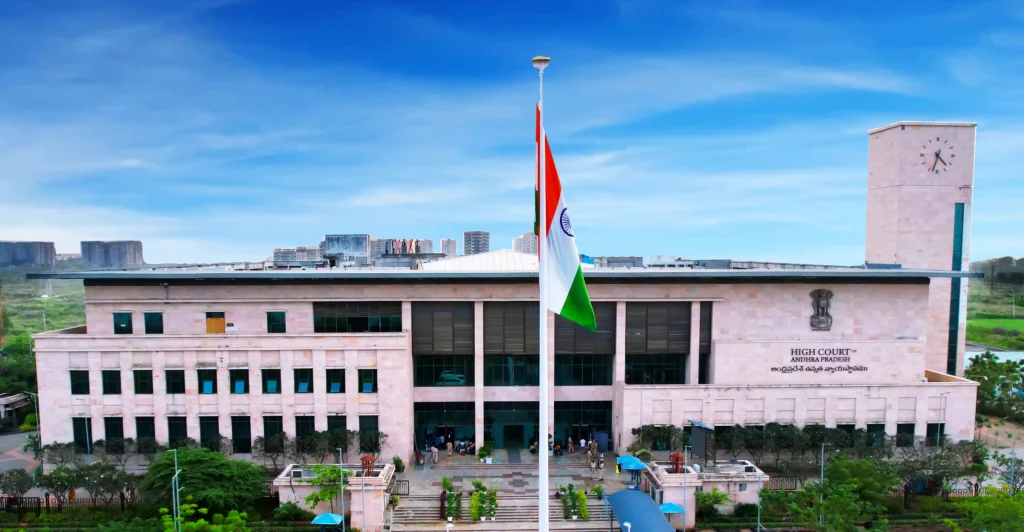
Public Interest Litigation (PIL) was conceived as a powerful democratic tool — a way for ordinary citizens to approach courts when the vulnerable could not. In theory, it allows justice to travel beyond courtrooms and into lived realities. In practice, especially in recent years across the Telugu states, PILs have increasingly become political weapons, publicity tools, and social-media accelerants.
The question is no longer whether PILs are important. It is whether they are being misused faster than they are delivering justice.
What a PIL Is — and What It Is Not
A PIL allows any individual or group to approach constitutional courts on matters affecting public interest — environment, governance, civil liberties, and fundamental rights.
Fact check:
A PIL is not:
- A substitute for political opposition
- A platform to settle personal or ideological scores
- A media strategy to influence public opinion before facts are established
Courts themselves have repeatedly warned against frivolous or motivated PILs.
Why PILs Have Exploded in Telangana and Andhra Pradesh
Several factors explain the surge:
- Hyper-politicisation
Governance disputes increasingly spill into courts instead of legislatures. - Media Incentives
Filing a PIL guarantees headlines — often before hearings even begin. - Low Entry Cost
Compared to long civil litigation, PILs are faster and cheaper to file. - Social Media Pressure
Viral narratives often precede judicial scrutiny.
In Telangana and Andhra Pradesh, PILs now routinely target:
- Infrastructure projects
- Government appointments
- Policy announcements made days earlier
From Courtroom to Timeline — The Social Media Effect
A worrying pattern has emerged:
- PIL filed in the morning
- Select paragraphs circulated on WhatsApp by afternoon
- “Court slams government” headlines appear before the court has ruled
Fact check:
Admission of a PIL does not mean the court agrees with the petitioner. Admission merely means the court will hear the matter.
This distinction is routinely lost — or deliberately blurred — in Telugu digital media.
Environmental PILs: Necessary Scrutiny or Blanket Obstruction?
Environmental PILs form a large chunk of recent litigation, especially around:
- Urban expansion
- Road widening
- Riverfront and lake rejuvenation projects
Courts in both states have played a vital role in enforcing safeguards. However:
- Many PILs lack credible environmental assessments
- Some are filed without engaging affected communities
- Others seek outright halts without proposing alternatives
Verdict:
Environmental oversight is essential — but blanket obstruction without data weakens the cause.
The “Court Will Fix It” Illusion
A growing public belief is that courts can solve governance failures instantly.
Fact check:
Courts interpret law; they do not administer states. Over-reliance on judicial intervention can:
- Undermine elected institutions
- Delay projects indefinitely
- Shift accountability away from policymakers
Judicial overreach is not a myth — it is a risk acknowledged by courts themselves.
Frivolous PILs and Judicial Pushback
Both the Telangana High Court and Andhra Pradesh High Court have:
- Dismissed PILs for lack of locus or evidence
- Imposed costs on petitioners for wasting court time
- Warned against PILs driven by “publicity interest”
These warnings are not abstract. They are responses to a visible pattern of misuse.
The Media’s Role — Amplifier or Filter?
Instead of acting as a filter, much of the Telugu media functions as an amplifier:
- PIL filing becomes breaking news
- Allegations are reported as findings
- Clarifications or dismissals receive minimal coverage
Result:
Public perception hardens long before judicial conclusions emerge.
The Chilling Effect on Governance
Officials increasingly hesitate to take decisions fearing:
- Immediate litigation
- Personal naming in petitions
- Social media vilification
This leads to policy paralysis, not better governance.
What Responsible PIL Use Should Look Like
A genuine PIL should:
- Be backed by verifiable data
- Demonstrate clear public harm
- Avoid political rhetoric
- Respect judicial process
Activism does not lose legitimacy by being evidence-based. It gains it.
Misinformation to Watch For
Readers should be cautious of:
- Headlines claiming “court ban” without written orders
- Selective quoting of oral observations
- Claims that courts have endorsed allegations
Until a written order is available, nothing is final.
Conclusion: Justice Needs Restraint as Much as Action
PILs remain one of India’s most powerful democratic innovations. But power without restraint invites misuse.
In the Telugu states, the challenge is not choosing between courts and governments — it is ensuring that law remains a shield for the public, not a sword for spectacle.
At RealCheck, we believe:
Public interest deserves facts, not theatrics.